Thinking about whitening your teeth? You’re probably wondering what the catch is. The good news is, for most people, the side effects are minor and temporary. The most common are a bit of tooth sensitivity and some mild gum irritation. It’s a bit like the muscle ache you get after trying a new exercise – a temporary sign your body is reacting to something new, which usually settles down quickly.
Your Guide to Understanding Teeth Whitening Side Effects
The dream of a brighter, whiter smile is exciting, but it’s completely normal to have questions about the journey. A common worry is that the process might be harsh or uncomfortable. The reality is, when teeth whitening is handled by a dental professional, any potential side effects are typically minimal and very easy to manage.
This guide is here to pull back the curtain and give you a clear, expert take on what to expect. We’ll get into exactly why these side effects happen, who might be more prone to them, and, most importantly, the simple but effective things you can do to prevent or soothe them.
What to Expect from This Guide
Our aim is to give you the knowledge to chase that radiant smile with total confidence. Understanding the “why” behind any potential twinges is the first step toward a smooth, successful treatment. We firmly believe an informed patient is an empowered patient.
When you understand the difference between professional care and an at-home kit from the chemist, you can make choices that protect your results and your long-term dental health. The main takeaway is this: with the right guidance, a stunningly white smile is well within reach, without any major discomfort.
The most common side effects from teeth whitening are tooth sensitivity and gum irritation. Fortunately, these effects are almost always temporary and resolve within a few days of completing the treatment.
To give you a quick summary of what to expect, here’s a table outlining the common side effects you might hear about.
Quick Overview of Common Teeth Whitening Side Effects
| Side Effect | What It Feels Like | Typical Duration (Professional Care) | Key Cause |
|---|---|---|---|
| Tooth Sensitivity | A sharp, temporary “zing” or ache when consuming hot, cold, or sweet things. | 24-48 hours post-treatment | The whitening agent temporarily opens pores (tubules) in your enamel, exposing the nerve layer. |
| Gum Irritation | Mild redness, slight swelling, or a whitish appearance on the gums. | 1-3 days post-treatment | Whitening gel making contact with the gum tissue, especially with ill-fitting trays. |
These are really the two main things people experience, and as you can see, they don’t stick around for long, especially with a dentist overseeing things.
To get you started on the right foot, we’ll break down the key parts of a safe whitening experience. You’ll learn about:
- The science behind that tooth “zing” and why it happens.
- Simple tricks to shield your gums from irritation.
- The crucial safety differences between professional treatments and over-the-counter options.
- Actionable aftercare steps to keep your smile bright and comfortable for longer.
Getting a brighter smile should be a brilliant experience from start to finish. If you’re curious about the specific procedures out there, you can learn more about the best teeth whitening methods we trust to get fantastic results safely. Consider this guide your foundation for starting your journey with complete peace of mind.
The Truth About That “Zing” After Teeth Whitening
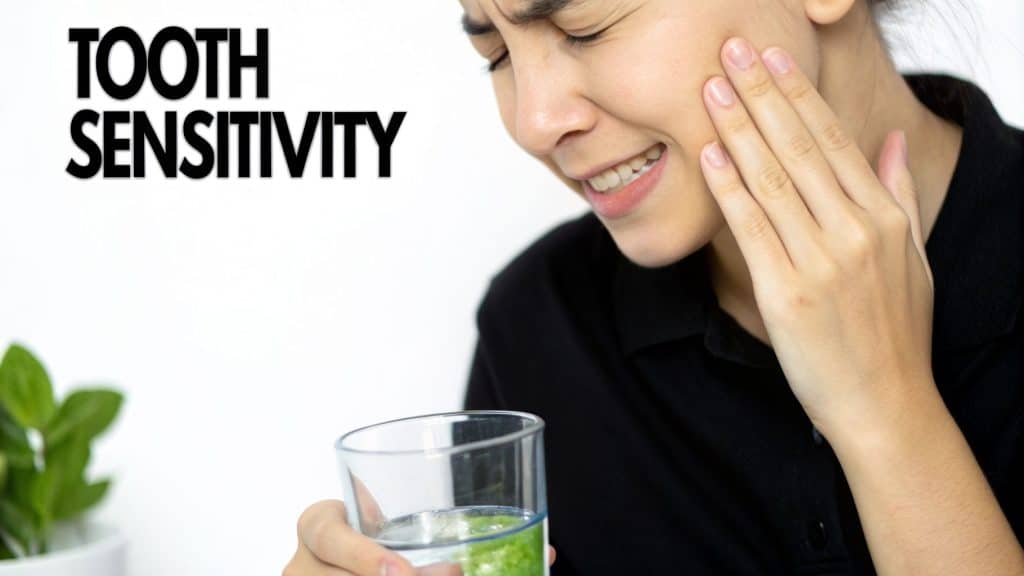
We’ve all heard about it. That sudden, sharp “zing” you might feel after a whitening treatment is easily the most common concern people have. It’s a sensation that can make you wonder if something’s gone wrong, but let me reassure you: this is a completely normal, temporary, and scientific reaction. It’s not a sign of damage.
Think of your tooth enamel less like a solid wall and more like a dense sponge. It’s covered in thousands of microscopic channels, or dentinal tubules, which act as tiny pathways to the nerve centre of your tooth, the pulp. To break down deep stains, whitening gels (usually containing hydrogen peroxide) need to travel down these tiny tunnels.
When this happens, the tubules temporarily become a bit more open. This is what causes the sensitivity. It’s like opening a window in a quiet room—suddenly, you can hear everything happening outside. A sip of cold water or a hot coffee can send a signal straight to the nerve, causing that fleeting jolt. It’s just a short-lived increase in communication between the outside world and your tooth’s nerve.
Who Is More Likely to Feel It?
While anyone can experience some sensitivity, some of us are naturally more prone to it. Knowing the risk factors helps us plan ahead to make your whitening experience as comfortable as possible.
You might be more susceptible if you have:
- Pre-existing Sensitivity: If you already get a twinge from ice cream or a cold drink, whitening can temporarily amplify that feeling.
- Thinner Enamel: Just like some people have thicker hair, enamel thickness is genetic. Thinner enamel means less insulation for the nerves inside.
- Gum Recession: When gums recede, they expose the tooth root, which isn’t protected by enamel and is naturally more sensitive.
- Cracks or Leaky Fillings: Any little breach in a tooth’s surface gives the whitening gel a shortcut straight to the nerve.
Here in the UK, sensitivity is definitely the most prevalent side effect. One major study found that 63% of patients experienced at least mild side effects, with sensitivity being the number one complaint for about 57% of them. The good news is that for most people, this feeling peaks right after the treatment and is completely gone within 24-48 hours. If you’d like to dive deeper, you can explore the findings on UK patient experiences here.
The Key Takeaway: Tooth sensitivity from whitening isn’t damage. It’s a temporary side effect caused by the whitening gel opening the pores in your teeth. These pores quickly remineralise and close up again on their own.
How to Proactively Manage and Prevent Sensitivity
The best part is that this sensitivity is highly manageable. With a few smart, simple steps, we can dramatically reduce or even eliminate any discomfort, making your journey to a brighter smile a breeze.
Before Your Whitening Treatment:
- Switch to a Desensitising Toothpaste: Two weeks before your appointment, start using a toothpaste designed for sensitive teeth. Ingredients like potassium nitrate or stannous fluoride work by pre-emptively blocking the nerve pathways.
- Get a Quick Check-up: A pre-whitening dental exam is crucial. We’ll make sure there are no cavities, cracks, or old fillings that could cause problems.
After Your Whitening Treatment:
- Avoid Temperature Extremes: For the first 48 hours, give hot coffee and ice-cold drinks a miss. Stick to room-temperature foods and drinks to avoid triggering a reaction.
- Use a Soft-Bristled Toothbrush: Brush gently. There’s no need to aggravate your teeth and gums while they’re settling down.
- Keep Using Desensitising Products: Continue with your sensitive toothpaste. We can also provide a professional-grade desensitising gel to use at home to speed up your recovery.
By taking these simple precautions, you are in complete control of your comfort. This temporary sensitivity is just a small, manageable step on the path to a beautifully bright smile you can show off with confidence.
How to Prevent Gum Irritation During Whitening
While sensitive teeth usually grab the spotlight, gum irritation is another common guest at the teeth-whitening party. The good news? With a professional hand guiding the process, it’s almost entirely avoidable.
Think of it like getting a bit of strong lemon juice on a tiny cut – it stings for a moment but doesn’t cause any real harm. When the powerful whitening gel touches the soft, delicate tissue of your gums, it can cause a similar, temporary chemical burn.
This usually shows up as some redness or tenderness right along the gum line. It’s a direct reaction to the peroxide in the gel, but it’s important to know this isn’t a sign of infection or lasting damage. It just means the gel has strayed a little off course.
The Professional Difference: Protective Barriers
The single best way to stop gum irritation is to make sure the whitening gel only touches your teeth. This is precisely where professional whitening shines. A dentist doesn’t just slap on the gel; they start with a meticulous preparation.
They apply a special protective barrier – a resin that’s painted along your gum line and then hardened with a light. This creates a custom-fitted, rubbery shield that physically blocks the gel from ever making contact with your sensitive gums. It’s the dental equivalent of using painter’s tape for perfectly crisp lines, making sure the potent whitening solution stays exactly where it needs to be.
This careful isolation is a huge reason why professional whitening is so much safer and more comfortable than trying it yourself with a kit from the chemist.
Ill-Fitting Trays: The Main Culprit
So, why does gum irritation happen so often with at-home kits? It almost always comes down to poorly fitting trays. Those one-size-fits-all trays you find in a box often have gaps, letting the gel leak out and pool right onto your gums. It’s this prolonged contact that leads to real discomfort.
At a professional clinic, every step is designed for precision. The protective barrier ensures the whitening agent is confined to the tooth surface, virtually eliminating the risk of chemical irritation to your gums and ensuring a comfortable, effective treatment.
A professional, on the other hand, will either use the in-clinic protective barrier or provide custom-made trays for your take-home kit. That precise fit is what makes all the difference between a comfortable experience and a painful one.
Gum irritation is a well-known but short-lived side effect. In the UK, it affects roughly one in four patients (25%). Symptoms usually show up within a day and are gone within one to three days. Research confirms the soreness is directly linked to how long the gel stays on the gums, and thankfully, it’s highly manageable.
If you do notice any irritation, here are a few simple things you can do:
- Wipe Away Excess Gel: If you’re using a take-home kit, immediately use a cotton swab to wipe away any gel that has oozed onto your gums.
- Rinse with Warm Salt Water: A gentle rinse can soothe the tissue and help it recover a bit faster.
- Give Your Gums a Break: If your gums feel sore, just skip a day of your at-home treatment to give them time to heal.
By choosing a professional treatment, you’re investing in a process that protects your whole mouth, not just your teeth. Healthy gums are the foundation of good oral health. If you have any worries about your gums before you even start thinking about whitening, you might want to read our comprehensive guide on professional gum disease treatment in our comprehensive guide. Taking this step first ensures your journey to a brighter smile is both safe and successful.
Professional vs At-Home Whitening: A Critical Safety Comparison
Deciding between professional and at-home teeth whitening isn’t just about how white your smile will be—it’s a crucial choice for your long-term dental health. The safety gap between a treatment overseen by a dentist and a kit you click and buy online is massive. And unfortunately, that gap is often filled with some pretty severe side effects from unregulated products.
Here in the UK and across the EU, we have strict laws for a very good reason. Whitening products sold over the counter can’t legally contain more than 0.1% hydrogen peroxide. Yet, professional dentists are allowed to use products with up to 6% hydrogen peroxide. That’s 60 times stronger, but it’s applied under controlled, safe conditions.
This legal line in the sand is really at the heart of the safety debate. Professional oversight ensures this powerful whitening agent is used correctly, minimising the risks and giving you the best possible result. Without that expertise, you’re essentially flying blind into a minefield of potential damage.
The Hidden Dangers of Illegal At-Home Kits
The internet is absolutely flooded with illegal whitening kits that completely bypass these vital safety regulations. Many of these products come from outside the UK and contain dangerously high levels of peroxide. They promise dramatic results for a bargain price, but what they don’t advertise are the devastating risks.
A revealing investigation by Which? tested 36 at-home kits and found that a staggering 21 of them were over the legal limit for home use. Some of these kits contained over 10% hydrogen peroxide—that’s more than 100 times the legal amount. Even more worrying, BBC investigations have found illicit kits with peroxide levels as high as 53% being sold to unsuspecting people. This extreme concentration can cause irreversible enamel damage, chemical burns to the gums, and even tooth loss. One woman tragically lost four teeth after a treatment at a beauty salon.
These stories all point to one critical truth: teeth whitening is a dental procedure, not just a cosmetic touch-up. It needs a professional diagnosis and a skilled hand to be done safely.
Professional oversight isn’t a luxury; it’s a necessity. A dentist assesses your oral health, spots potential risks like cavities or gum recession, and uses protective measures to shield your mouth from harm. These are safeguards that are completely missing from any at-home kit.
This diagram shows the simple, professional steps we take to prevent common problems like gum irritation.
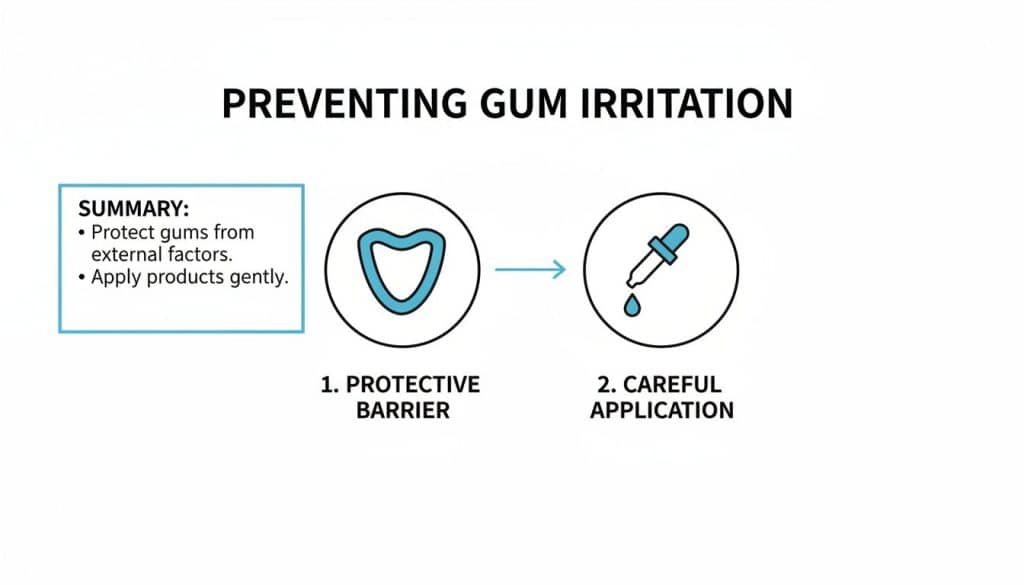
The key takeaway is that professional methods are built around safety. We use protective barriers and precise application to ensure the powerful whitening gel stays exactly where it’s meant to be—on your teeth and nowhere else.
Safety and Efficacy Professional vs At-Home Whitening Kits
To really see the difference, it helps to put the two approaches side-by-side. The contrast in safety protocols, expert supervision, and the final outcome is stark.
| Feature | Professional Whitening (e.g., at a Dental Clinic) | At-Home Kits (Unregulated/Illegal) |
|---|---|---|
| Peroxide Strength | Legally up to 6% hydrogen peroxide, applied safely by a trained professional. | Often contains 10% to 50%+ peroxide, far exceeding safe limits and risking severe burns. |
| Professional Oversight | A full dental examination is performed first to ensure you are a suitable candidate. | No dental assessment. You are left to self-diagnose, potentially applying bleach to untreated cavities. |
| Safety Measures | A protective barrier is applied to the gums to prevent chemical burns and irritation. | Relies on ill-fitting, one-size-fits-all trays that allow potent gel to leak onto gums and soft tissue. |
| Customisation | The treatment plan and gel strength are tailored to your specific needs and sensitivity levels. | A generic, high-strength formula is used for everyone, regardless of their dental health. |
| Predictable Results | Delivers even, consistent, and predictable whitening across all teeth. | High risk of uneven, blotchy results or a “checkerboard effect” on fillings and crowns. |
| Accountability | Performed by a registered dental professional who is accountable for your safety and results. | Often sold by anonymous online sellers with no accountability or support if things go wrong. |
Ultimately, choosing professional whitening is an investment in your health. While the allure of a cheap, quick fix is strong, the potential for permanent damage makes illegal at-home kits a dangerous gamble. True cosmetic enhancement should never come at the cost of your well-being. To understand more about the professional procedures that ensure a bright and healthy outcome, check out our complete guide on how to whiten teeth safely and effectively.
How Professional Care Makes Whitening a Safe Bet for a Brilliant Smile
Knowing about potential side effects is one thing; knowing how to dodge them entirely is another. Getting that brilliant smile you’ve always wanted shouldn’t be a lottery. It’s all about having a skilled professional manage every single detail, protecting your health while delivering a dazzling result. This is precisely where professional care steps in, turning what could be a gamble into a predictable and genuinely comfortable experience.
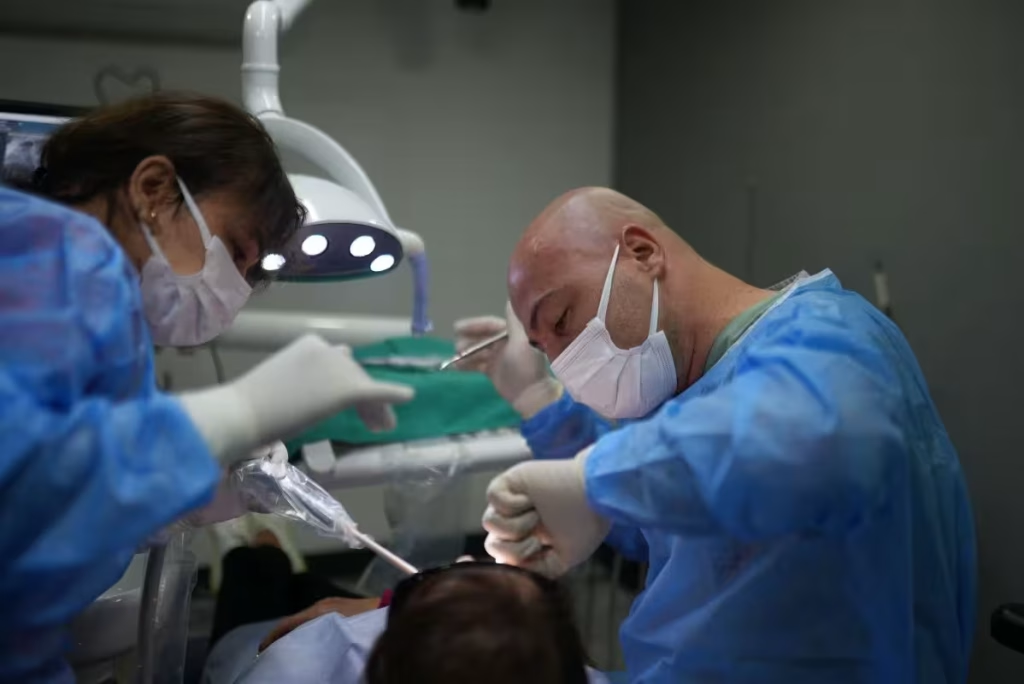
The journey to a brighter smile at our clinic doesn’t start with the whitening gel. It starts with a conversation and a proper look at your dental health. This initial chat and check-up is the most critical part of ensuring everything goes smoothly and safely.
A dentist needs to have a good look at your teeth and gums first. We’re searching for any hidden issues like tiny cracks, cavities, or receding gums that could cause a flare-up of sensitivity later. This step isn’t just a formality; it confirms you’re a good candidate and lets us build a plan that heads off any risks before they even have a chance to become a problem.
A Treatment Plan Built Just for You
Once we’ve confirmed your teeth and gums are healthy, we get down to creating a whitening plan that’s made for you and you alone. Forget the one-size-fits-all approach of shop-bought kits. Professional whitening is all about precision. A huge part of that is choosing exactly the right strength of whitening agent.
Your dentist will take everything into account—your sensitivity levels, the type of stains you have, and the shade you’re hoping for—to pick a gel that’s powerful enough to work but gentle enough to be comfortable. For example, if you know your teeth can be a bit sensitive, we might use a lower concentration gel over a slightly longer session. It’s this kind of careful adjustment that only an experienced expert can make.
Modern technology also gives us an incredible advantage in keeping teeth whitening side effects to an absolute minimum.
A dentist’s greatest tool is control. From applying protective barriers to shield your gums to using specialised LED lights that activate the whitening gel efficiently, every element is managed to get the best results while keeping you safe and comfortable.
The Peace of Mind of Expert Supervision
Maybe the biggest difference with professional whitening is having an expert by your side the entire time. During the whole in-clinic procedure, a dental professional is right there with you, keeping an eye on your comfort and how the treatment is progressing.
That constant oversight provides a sense of security you just can’t get from a box. If you feel even the slightest twinge of sensitivity, we can adjust or stop the treatment on the spot. This responsive care means any discomfort is dealt with immediately, making the whole thing a stress-free and positive experience.
Your Professional Whitening Journey at a Glance
- Step 1: The Health Check. We start with a thorough exam to spot any potential risks like cavities or gum problems that need sorting out first.
- Step 2: Gum Protection. A special resin is carefully painted along your gum line, creating a protective shield so the whitening gel can’t touch that sensitive tissue.
- Step 3: Precise Gel Application. The whitening gel, at a strength chosen for you, is expertly applied to each tooth for even coverage, well away from your gums.
- Step 4: Constant Monitoring. A dental professional stays with you, checking for any signs of sensitivity and making sure everything is going exactly as planned.
- Step 5: Aftercare Advice. You’ll leave with personalised advice on how to manage any temporary sensitivity and tips to keep your new, brilliant smile looking its best for longer.
This carefully supervised process is designed to give you a beautiful, predictable result. When you trust your smile to a professional, you’re not just buying a whiter shade; you’re investing in a safe, reliable, and comfortable journey. For anyone weighing up their options, learning more about professional tooth bleaching procedures in Antalya, Turkey can show you just how high the standard of care can be.
Your Whitening Safety Questions, Answered
Feeling a little hesitant is completely normal. After all, this is about your smile and your health. To help you feel 100% confident, let’s tackle the most common questions and worries we hear from our patients every day. We’ll cut through the noise and give you clear, straight-up answers based on years of professional experience.
Think of this as the final piece of the puzzle, giving you the clarity you need to move forward with peace of mind.
Can Teeth Whitening Permanently Damage My Tooth Enamel?
This is the big one, isn’t it? Let’s put your mind at ease. The short answer is a firm no—when handled by a qualified dentist using professional-grade, approved products, teeth whitening does not permanently damage your enamel. The entire process is designed to be safe and non-invasive.
Imagine your enamel has tiny, microscopic pores. The whitening gel, usually containing hydrogen peroxide, simply opens up these pores for a short time to get inside and lift out the stains that have settled deep within. It doesn’t dissolve or strip away the enamel itself. Once the treatment is done, your saliva gets to work, naturally remineralising the surface and closing those pores back up.
The real danger of enamel damage comes from those unregulated, often overly acidic at-home kits you can find online. They can have dangerously high peroxide levels or the wrong pH balance, which, if used too often or incorrectly, can actually etch the surface of your teeth. Professional treatments, on the other hand, use carefully formulated, pH-balanced gels and are applied for a precise amount of time to protect your enamel’s integrity. That’s how we get brilliant results safely.
Will Teeth Whitening Work On My Crowns, Veneers, or Fillings?
Great question. No, whitening agents won’t have any effect on the colour of restorative materials like crowns, veneers, bonding, or fillings. The bleaching agents are specifically designed to break down the organic stains found only in natural tooth enamel.
This is a really important point to understand because it can lead to what we call a “colour mismatch.” If you whiten your natural teeth, your older dental work can suddenly look noticeably darker or more yellow in comparison. This can disrupt the very uniform, beautiful smile you were hoping to achieve.
That’s why a pre-whitening consultation is non-negotiable for anyone with existing dental work. It gives us a chance to assess everything and map out a smart plan for a seamless, natural-looking result.
During your chat with the dentist, we’ll figure out the best way forward. Usually, the plan involves whitening your natural teeth to your ideal shade first. Then, we can look at replacing the older restorations to perfectly match your new, brighter smile. It’s all about getting that flawless finish.
How Long Do Teeth Whitening Results Last?
The staying power of your professional whitening results can vary quite a bit, but most people enjoy their brighter smile for anywhere from six months to two years. The results aren’t permanent simply because life happens! Your teeth are constantly exposed to foods, drinks, and other factors that can cause new stains.
Think of it like having your car professionally detailed—it looks incredible right after, but it needs a bit of care to stay that way. Your daily habits play the biggest role in how long your results will last.
Here’s what really makes a difference:
- Your Diet: Regularly enjoying coffee, tea, red wine, or dark berries will definitely speed up re-staining.
- Tobacco Use: Smoking or using other tobacco products is one of the fastest ways to yellow your teeth again.
- Oral Hygiene: A fantastic brushing and flossing routine is your best defence, as it removes surface stains before they have a chance to set in.
To make your investment last, try to be mindful of stain-causing culprits and keep up with great oral hygiene. We also often provide professional at-home touch-up kits with custom-fitted trays. These use a gentler gel to help you easily maintain that brilliant shade for as long as possible.
Can I Whiten My Teeth If I Already Have Sensitivity?
Yes, you absolutely can! It just means we need to take a more careful, professionally managed approach. Having sensitive teeth doesn’t mean you’re stuck with a smile you don’t love; it just means we need to plan ahead to keep you comfortable.
The first, most crucial step is a dental exam to find out why your teeth are sensitive. Sometimes, it’s a sign of something else, like a small cavity, a hairline crack, or receding gums. We have to sort out any underlying issues before we can safely begin any whitening treatment.
If it’s just general sensitivity, we can create a whitening plan tailored specifically for you. This customised protocol is all about minimising any potential discomfort while still delivering fantastic, bright results.
A professional plan for sensitive teeth might include things like:
- Pre-Treatment Prep: Using a special desensitising toothpaste with ingredients like potassium nitrate for a few weeks beforehand can work wonders by calming the nerves in your teeth.
- Gentler Gels: We can select a whitening gel with a lower peroxide concentration. It’s much gentler but still highly effective in a professional setting.
- Shorter Sessions: We might break the treatment into several shorter appointments. This reduces the time the gel is on your teeth in one go.
- Post-Treatment Relief: Applying a professional-grade desensitising agent or fluoride varnish right after the procedure gives you immediate relief and helps seal up those enamel pores faster.
With this kind of careful management, even people with sensitive teeth can safely get the bright, confident smile they’ve always wanted.
Your smile is one of your most valuable assets, and keeping it healthy is our top priority. At Center Dental Clinic, we combine state-of-the-art technology with expert care to ensure your teeth whitening journey is safe, comfortable, and delivers the stunning results you deserve. If you’re ready to take the next step towards a brighter smile with a team you can trust, we invite you to book a free online consultation. Let’s create a personalised plan that puts your health and confidence first.
Learn more and schedule your consultation at https://centerdentalclinic.com.