A zirconia crown is a tooth-shaped dental restoration that covers the visible part of a damaged tooth to restore its strength, shape, and appearance. It is made from zirconium dioxide, a durable ceramic material that is widely used in modern restorative dentistry. In practical terms, when people search what is a zirconia crown, they usually want to know whether it is strong, whether it looks natural, and whether it is the right choice for their smile. Official dental guidance describes crowns as restorations used for teeth that are broken, weak, worn, or heavily restored, while Center Dental Clinic explains zirconium crowns as all-ceramic, tooth-colored restorations designed to provide a high-strength and aesthetic result.
A zirconia crown is different from a simple filling because it covers the whole clinical crown of the tooth rather than repairing only one small part. This makes it especially useful when a tooth has lost a large amount of structure or needs more protection than a filling or bonding can provide. Center Dental Clinic’s crown pathway describes treatment through diagnosis, preparation, precision impressions, laboratory fabrication, cementation, and maintenance, which reflects the fact that crown treatment is not just cosmetic but also structural.
Why are zirconia crowns so popular?
Zirconia crowns are popular because they combine strength with a more natural appearance than older metal-based crown options. Official Turkish public dental information notes that zirconium restorations are valued for being aesthetic, durable, natural-looking, and suitable for both functional and cosmetic needs. The same source also highlights light transmission and pressure resistance as reasons zirconium is often preferred in crown treatment.
For patients, this usually translates into three main advantages. First, zirconia crowns are often chosen when a tooth needs reliable support for daily chewing. Second, they are preferred by many patients who want a metal-free look. Third, they can fit well within a wider aesthetic treatment plan when the goal is to improve both function and smile appearance. On its own treatment page, Center Dental Clinic presents zirconium crowns as a solution for damaged teeth where both durability and aesthetics matter.
When is a zirconia crown needed?
A zirconia crown is usually considered when a tooth is too compromised for a simple restoration. This may happen after deep decay, a fracture, severe wear, repeated fillings, or root canal treatment. NHS dental guidance states that crowns are used to restore decayed, broken, damaged, or weakened teeth, and Center Dental Clinic similarly notes that crowns are commonly used to strengthen weak teeth, protect cracked or worn teeth, restore teeth with extensive loss, and cover root-canal-treated teeth.
In cosmetic dentistry, a zirconia crown may also be recommended when a patient wants to improve the shape, color, or symmetry of a tooth but the tooth itself needs full coverage rather than a more conservative surface treatment. That is why crown planning should always begin with proper examination. A crown should not be chosen just because it sounds premium. It should be chosen because the tooth actually needs that level of restoration. Center Dental Clinic’s aesthetic dentistry approach emphasizes diagnosis before design and prioritizes conservative options when clinically appropriate.
Does a zirconia crown look natural?
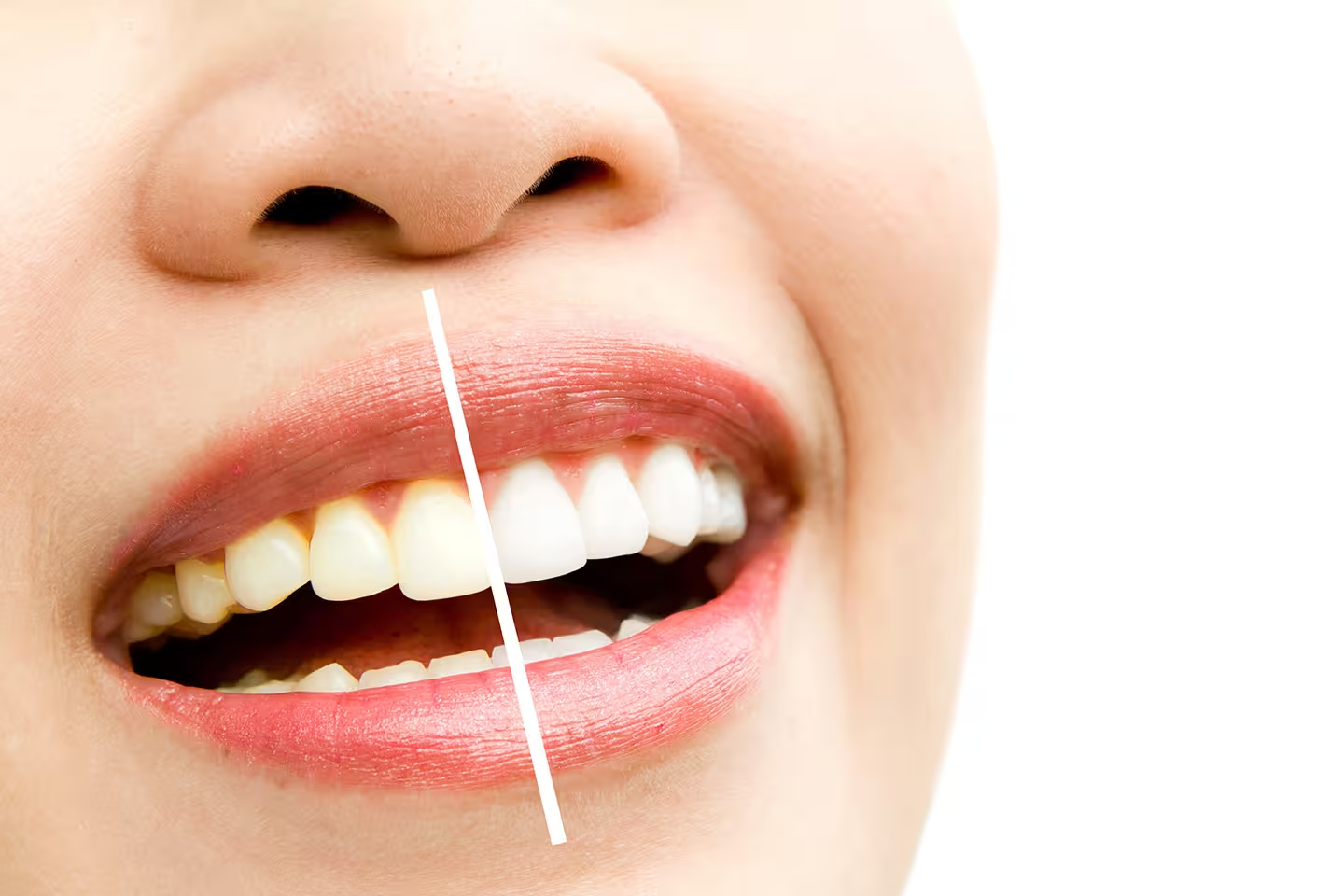
Yes, in many cases it can look very natural when it is planned correctly. One reason zirconia is widely used is that it offers a cleaner and more tooth-like appearance than traditional metal-supported options. Official public dental information in Türkiye describes zirconium restorations as natural-looking and especially suitable when appearance is important. Center Dental Clinic also positions zirconium crowns as tooth-colored, all-ceramic restorations aimed at delivering an aesthetic result rather than just a functional cover.
However, the final look depends on more than the material alone. Shade selection, tooth preparation, bite balance, gum harmony, and laboratory precision all affect the result. A zirconia crown can look highly aesthetic when those elements are managed together. That is why patients researching Dental Crowns in Antalya should focus not only on the material name but also on how the clinic plans and controls the treatment. Center Dental Clinic explicitly frames crown treatment as a precision-based restorative pathway rather than a one-step cosmetic procedure.
Are zirconia crowns strong?
Strength is one of the main reasons patients choose zirconia. Official Turkish dental guidance describes zirconium as pressure-resistant and suitable for both front and back teeth, which helps explain why it is used in many restorative cases. In everyday terms, this means zirconia can be a strong option for patients who want a crown that supports function as well as appearance.
That said, strength does not mean every case is automatically suitable. The long-term success of a crown also depends on fit, occlusion, oral hygiene, and whether the tooth was the correct candidate for crown treatment in the first place. Center Dental Clinic’s crown pages emphasize precision fit, occlusal control, and long-term maintenance as core parts of the treatment process. This is important because even a strong material cannot compensate for poor planning or poor execution.
What happens during the zirconia crown procedure?
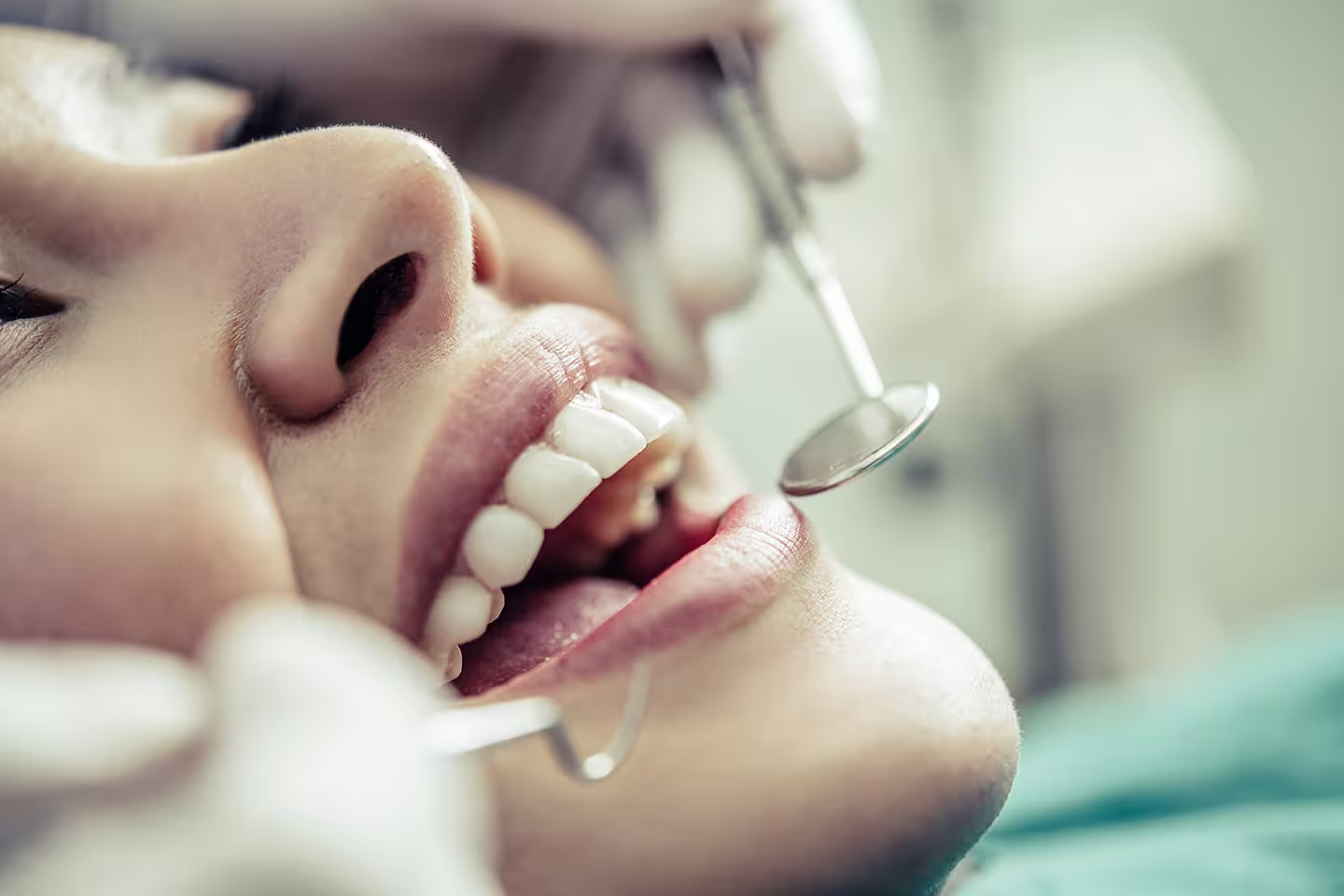
The zirconia crown procedure usually starts with an examination of the tooth and surrounding gum condition. If the tooth is suitable, the dentist prepares it by reshaping it so the crown can fit securely. NHS guidance explains that a small amount of enamel is removed to create space for the crown, and Center Dental Clinic similarly states that crown treatment begins with diagnosis and preparation before impressions and lab fabrication are completed.
After preparation, impressions or digital measurements are taken so the crown can be made accurately. A temporary restoration may be used if needed while the final crown is being produced. At the fitting stage, the dentist checks the shape, contact points, bite, and visual integration before final cementation. Center Dental Clinic describes this process as part of its controlled crown workflow, with attention to fit and long-term serviceability.
How long can a zirconia crown last?
A zirconia crown is generally considered a long-term restoration, but its lifespan depends on case quality and patient habits. No dental crown should be presented as permanent for life. The durability of the result is influenced by oral hygiene, bite forces, grinding habits, and regular dental reviews. Center Dental Clinic’s published treatment structure highlights maintenance governance as part of crown care, which shows that the clinic treats longevity as something supported by follow-up and not just by material choice alone.
Patients who want the best possible lifespan from their crown should take daily care seriously. That includes brushing properly, attending routine checkups, and protecting the crown if grinding is present. A well-made zirconia crown can serve as a stable long-term solution, but like any restoration, it performs best when the surrounding oral health is also maintained.
Why choose Center Dental Clinic for zirconia crowns in Antalya?
Patients often search for more than a material definition. They also want to know where they can have treatment planned properly. Center Dental Clinic positions zirconium crowns as a clinically controlled service built around assessment, material selection, precision fit, and maintenance. Its broader crown pathway follows diagnosis, preparation, impressions, fabrication, cementation, and follow-up, which helps patients understand that treatment quality depends on process as much as material.
The clinic’s profile also supports this positioning. Center Dental Clinic states that it was established in 2006, offers personalized care through English-speaking dentists, and serves patients from the UK, USA, and Europe. The clinic also presents Antalya as a location where patients can combine dental treatment with a comfortable travel experience and clear treatment planning. For patients comparing options for zirconia crowns, these points matter because communication, planning, and aftercare support are part of the treatment decision, not separate from it.
Another reason patients choose Center Dental Clinic is that zirconia crowns are not presented as a generic package. They are presented as part of a broader restorative and aesthetic dentistry system. The clinic’s aesthetic dentistry page explains that treatment should improve tooth color, shape, symmetry, and facial harmony while protecting long-term oral health. That is the right context for zirconia crowns: not as an isolated sales term, but as one option within a properly planned smile restoration strategy.
Final Thoughts
So, what is a zirconia crown? It is a strong, tooth-colored ceramic crown used to restore and protect teeth that need full coverage while also supporting a more aesthetic result. It is often chosen because it combines durability, function, and a natural appearance. Official dental sources and Center Dental Clinic’s own treatment pages both support the idea that zirconia crowns are especially relevant when a tooth needs more than a simple repair and when appearance matters alongside strength.
For patients looking for zirconia crown treatment with a clear clinical process, Center Dental Clinic Antalya presents this treatment through assessment, planning, precision fit, and long-term maintenance. That approach is exactly what patients should look for when choosing a crown provider in Antalya.